Roasting
Understanding Coffee Roast Levels: A Guide
October 22, 2026 · 7 min read
The Basics of Roast Levels
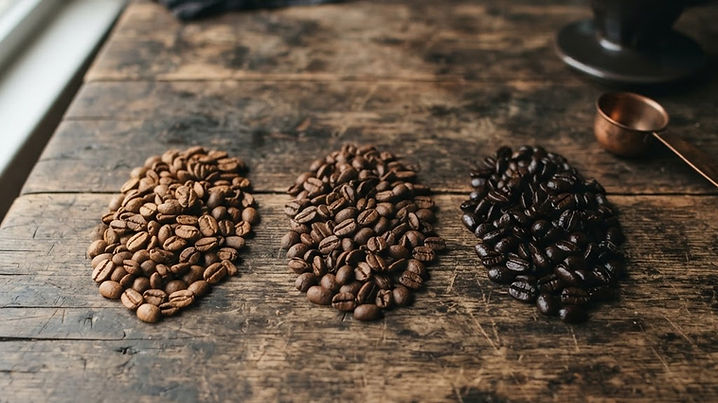
Coffee roast levels describe the duration and temperature at which green coffee beans are heated. These variables dictate how much moisture evaporates, how sugars caramelize, and how the physical structure of the bean changes during the roasting process. A roast level represents the profile of flavor characteristics developed throughout the heat application. Light, medium, and dark roasts are not measures of caffeine content but are indicators of the sensory profile. The roasting process is a journey of chemical transformation. Roasters begin by charging the drum at temperatures between 350 and 400 degrees Fahrenheit. As the beans absorb energy, they transition from a grassy, pale green color to a vibrant yellow, eventually reaching the stage known as the first crack. This audible popping sound, similar to popcorn, signifies that steam and carbon dioxide are escaping the bean. It marks the point where the coffee becomes consumable. From the first crack onward, the roaster makes precise decisions about development time. Longer development times at lower temperatures result in a lighter, more acidic cup, while extending the process deepens the roast. At Northwood Roast, we carefully monitor these thresholds to ensure each origin profile is honored through precise heat management.
Understanding the First Crack and Development
The first crack is the most significant milestone in the roasting cycle. It occurs when the internal pressure within the coffee bean structure overcomes the strength of the cell walls, causing the bean to expand and vent gas. For light roasts, the process often stops shortly after the first crack finishes. This ensures the bean retains high moisture content and high density, preserving the unique characteristics of the soil and climate where the coffee grew. As the roaster continues to apply heat, the bean enters the development phase. During this time, the sugars begin to caramelize and turn into deeper, more complex notes of chocolate, nuttiness, and spice. If the roasting continues until the bean reaches temperatures near 440 degrees Fahrenheit, a second crack may occur. This stage involves the combustion of cellulose and the oils moving to the surface of the bean. The development time is crucial; too little time results in a sour, vegetal flavor, while too much time leads to burnt, charcoal-like notes. Managing this timing is the core task of the roastmaster, determining the balance of acidity and sweetness in every Shop Northwood Roast coffee we offer.
The Spectrum of Acidity and Sweetness
Acidity and sweetness are the two primary pillars of a balanced cup. Light roasts are celebrated for their brightness, which coffee professionals refer to as acidity. This acidity is not equivalent to stomach acid or a sour taste, but rather a crispness, often reminiscent of citrus, stone fruit, or berries. As the roast progresses into a medium roast coffee, this bright acidity begins to soften. The heat breaks down the organic acids and begins to transform the natural sucrose in the bean into complex caramels. By the time the bean reaches a dark roast, the acidity is significantly muted. In its place, the flavor profile is dominated by the roast itself—notes of smoke, dark chocolate, and heavy, toasted sugars. There is a common misconception that dark roasts are more intense, but in reality, they offer a different kind of intensity. While a light roast highlights the complexity of the bean's origin, a dark roast highlights the intensity of the heating process. Understanding this trade-off allows a coffee enthusiast to match their roast preference to their palate. If you prefer a clean, tea-like body with high-toned fruit notes, look for lighter roasts; if you prefer a heavy, comforting cup, darker roasts are the standard.
The Relationship Between Roast and Body
Body, or mouthfeel, refers to the physical weight and texture of the coffee as it hits your tongue. The physical changes in the bean during roasting significantly influence this sensation. Light roasts tend to have a lighter, thinner body, often described as tea-like. Because the bean has been roasted for less time, the cell structure remains intact, and the oils remain largely trapped inside the porous structure of the bean. As the roast darkens, the bean becomes more porous, and the oils migrate to the surface. These surface oils add a layer of viscosity to the coffee. When brewed, this results in a heavier, more syrupy mouthfeel. A dark roast will almost always provide a heavier body than a light roast, which makes it feel 'thicker' in the cup. This change in physical texture is one reason why dark roasts are often associated with comfort. The increased oil content creates a richer coating on the palate, which is highly desirable for those who prefer a bold, substantial coffee. When you choose your roast, consider whether you want a delicate, nuanced experience or one that feels substantive and heavy.
Why Darker Is Not Stronger
Many consumers wonder: is dark roast stronger? The answer is generally no, especially when referring to caffeine content. Caffeine is a stable molecule that does not break down significantly during the standard roasting process. In fact, because green coffee loses weight as it roasts, a dark roast bean is technically lighter in mass than a green coffee bean. If you measure your coffee by the scoop, you may actually have more caffeine in a cup of light roast, simply because the beans are denser and you are fitting more mass into that same scoop. The 'strength' people associate with dark roast is almost entirely related to flavor intensity and the presence of bitter compounds formed during pyrolysis. These compounds create that classic, bold, smoky sensation often mistaken for a high caffeine punch. Health research indicates that coffee contains various antioxidants regardless of the roast level, though the specific composition of these compounds shifts as the beans darken. Anyone concerned with dietary intake or the health impacts of caffeine should consult a physician to understand how specific quantities interact with their personal health profile. Choosing a roast should be about flavor preference rather than perceived potency.
Matching Roast to Method and Milk
Choosing the right coffee roast levels depends heavily on your brewing method and whether you add milk. For immersion methods like a French Press, a medium or dark roast works exceptionally well because the long contact time pulls out the heavier oils and sugars, creating a balanced cup. For pour-over methods, light and medium roasts shine, as the paper filter cleans up the body and allows the delicate origin notes to shine through. If you frequently add milk or cream, a medium-dark or dark roast is usually the better choice. The bold, smoky, and chocolatey notes of a darker roast are strong enough to cut through the fat and sweetness of dairy, preventing the coffee flavor from disappearing. A light, delicate Ethiopian light roast, for example, might be entirely washed out by a splash of half-and-half. If you drink your coffee black, you have complete freedom to experiment with every level of the roast spectrum to find what fits your palate. At our shop, we offer a range of profiles designed to excel in various preparations, ensuring that your morning ritual is always suited to your favorite brewing gear.
Frequently asked questions
Is caffeine content higher in light roast or dark roast coffee?
Caffeine content is relatively stable throughout the roasting process. Because light roast beans are denser and heavier than dark roast beans, you may technically have more caffeine per scoop of light roast, but the roasting process itself does not significantly diminish caffeine levels.
Why does my dark roast coffee taste bitter?
Bitterness in dark roast is often a result of the development of carbonized compounds and surface oils during the later stages of the roast. If the bitterness is overwhelming, try reducing your water temperature or coarsening your grind to extract fewer of these heavy, bitter compounds.
Does light roast contain more acidity than medium or dark roasts?
Yes, light roasts retain more of the natural organic acids present in the green coffee bean because they are roasted for a shorter time. As the roast progresses to medium and dark levels, these acids are broken down or masked by the sugars and oils developed during the roasting process.