Coffee 101
How Coffee Is Grown, Harvested and Processed
October 22, 2026 · 7 min read
The Origins of the Coffee Plant
Coffee is grown in the tropical belt, a region encircling the Earth between the Tropics of Cancer and Capricorn. This area provides the consistent temperatures required for the Coffea plant to thrive, generally between 60 and 70 degrees Fahrenheit. Arabica coffee, the species favored by Northwood Roast, demands specific conditions to produce high-quality beans. It thrives at higher altitudes, typically between 2,000 and 6,000 feet above sea level. Higher elevations lead to slower cherry maturation, which allows for more complex sugar development within the bean. Shade-grown coffee is another crucial factor. By planting coffee shrubs under the canopy of larger, native trees, farmers protect the plants from direct sun exposure and prevent soil erosion. This natural canopy also supports biodiversity, keeping the microclimate stable. Because the plant requires significant rainfall and well-draining, nutrient-rich volcanic soil, farmers must carefully select their geography. Understanding how coffee is grown starts with recognizing that it is a delicate shrub rather than a hearty weed. It requires roughly three to four years of growth before a tree produces its first harvestable crop. The life cycle of the plant is entirely dependent on the seasonal fluctuations of rain and dry weather within this equatorial zone.
The Life Cycle of the Coffee Cherry
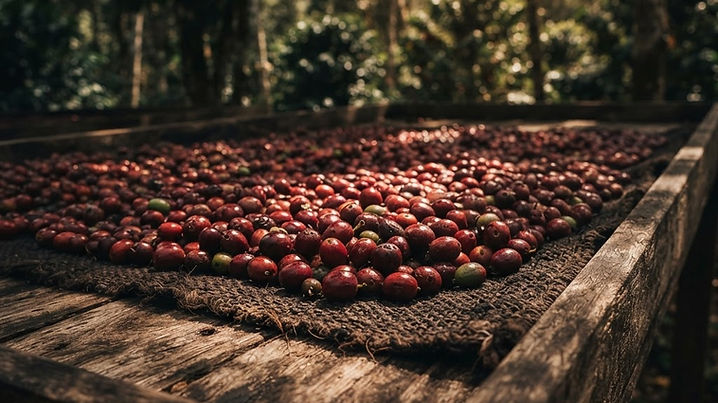
The journey from flower to harvest begins when the coffee shrub blooms with white, jasmine-scented flowers. After pollination, these flowers wither and are replaced by green, hard fruits known as the coffee cherry. As the cherry matures, it undergoes a transformation in color, eventually turning a deep red or purple, signaling that it is ready for collection. Inside each cherry, there are usually two seeds, which we know as coffee beans. The skin of the cherry is bitter, and the layer underneath, known as the mucilage, is a sticky, sugar-rich substance. Farmers monitor these cherries daily during the harvest season. Because not all cherries on a single branch ripen at the same time, the timing of the harvest is critical to ensure flavor consistency. A single tree may yield only one to two pounds of green coffee beans per year, highlighting why the labor involved in farming is so intensive. When you Shop Northwood Roast coffee, you are tasting the result of this careful cycle, where farmers balance the ripeness of the fruit to ensure the final cup has the sweetness and acidity coffee lovers expect.
Selective Picking and Harvest Techniques
To produce high-quality coffee, farmers utilize a method called selective picking. This involves workers manually inspecting each tree and plucking only the cherries that have reached the perfect state of ripeness. This process may require harvesters to return to the same tree five to ten times over a period of weeks. In some industrial operations, mechanical harvesters are used to strip the branches clean. While this is faster and cheaper, it inevitably collects a mix of ripe, over-ripe, and green, unripe cherries. Mixing unripe cherries with ripe ones can introduce sour, metallic flavors into the final roast. In regions with steep, mountainous terrain, such as parts of Colombia or Ethiopia, mechanical harvesting is impossible, making human labor the only viable option. The cost of this labor is a significant factor in the final price of the coffee. Proper picking is the first stage of quality control. Once collected, the cherries must be processed within hours to prevent fermentation from beginning prematurely. Every step taken at the farm level dictates whether the coffee will eventually exhibit the bright notes or deep, chocolatey profiles that define specialty grade beans.
Comparing Common Coffee Processing Methods
Coffee processing methods are the physical or chemical steps taken to remove the skin, pulp, and mucilage from the coffee seed. The choice of method significantly alters the final flavor profile. In the washed process, the cherry skin is removed immediately using a pulping machine. The beans, still covered in sticky mucilage, are placed in fermentation tanks filled with water. Over 12 to 48 hours, natural enzymes break down the mucilage, after which the beans are rinsed and dried. Washed coffees are known for their clean, bright, and acidic character. Conversely, natural processing involves drying the entire cherry in the sun before the seed is removed. This process allows the bean to absorb the sugars and fruitiness from the pulp, resulting in a heavier body and notes of dried fruit or berries. Comparing washed vs natural coffee reveals that natural coffees are often sweeter but carry a higher risk of defects if the drying process is not carefully managed. A middle ground, the honey process, involves leaving some of the mucilage on the bean during drying. This provides a balance between the clarity of a washed coffee and the heavy, sweet body of a natural, offering a unique profile that varies based on how much mucilage remains.
Drying and Milling the Beans
After processing, the beans must be dried to a moisture content of approximately 10 to 12 percent. This is the stabilization phase. If the beans remain too wet, they may develop mold during transport; if they are dried too quickly in high heat, the cell structure of the bean can crack, leading to poor flavor development. Farmers dry beans on raised mesh beds or concrete patios, frequently turning them with rakes to ensure uniform evaporation. Once the moisture is reduced, the coffee is referred to as parchment coffee. The final step is dry milling, which involves stripping away the parchment layer to reveal the green coffee bean. These beans are then sorted by density and size using large screens. Defective beans are removed by hand or through electronic color sorters. This rigorous sorting process ensures that only the highest quality beans make it into the burlap sacks destined for roasters like us. Once the green coffee reaches our facility, we begin the roasting process, which applies heat to bring out the distinct oils and flavors developed during the months of growth and the weeks of careful processing. Proper storage during this phase is essential, as green coffee is sensitive to humidity and light.
The Impact of Processing on Flavor
The flavor profile you enjoy in your morning brew is a direct consequence of these processing choices. When we talk about how coffee is grown and processed, we are essentially talking about how producers manipulate the chemical composition of the seed. Washed coffees highlight the unique terroir, or the characteristics of the soil and climate where the shrub was planted, because the process removes the influence of the fruit pulp. If you prefer a crisp, tea-like, or citrus-forward cup, washed coffees are the standard. If your preference leans toward a syrupy, jam-like, or intense sweetness, natural process coffees are usually the superior choice. The processing method effectively acts as a filter that accentuates certain chemical precursors developed during the plant's life. Because coffee is a agricultural product, the same shrub can produce wildly different cups based on the processing choice of the farmer. This complexity is why we source beans from various regions, ensuring our customers can explore the full spectrum of what coffee has to offer. We suggest experimenting with different processing methods to find the specific flavor profiles that match your personal palate and brewing style.
Frequently asked questions
Does coffee processing affect the caffeine content?
While some believe different methods change caffeine levels, research indicates that processing does not significantly alter the caffeine content of the bean. Caffeine levels are more closely related to the species of coffee, such as Arabica versus Robusta, and the altitude at which the shrub is grown.
Are there health benefits to drinking coffee?
Coffee contains antioxidants like chlorogenic acid which have been studied for their potential link to cardiovascular and metabolic health. As with all nutritional topics, you should discuss your diet with a medical professional to determine if coffee is suitable for your individual health situation.
Why do some coffees taste more fruity than others?
Fruity notes in coffee are primarily driven by the interaction between the plant's genetics and the processing method, particularly in natural and honey-processed coffees. During these methods, the sugars from the fruit pulp are absorbed by the bean, which manifests as berry or stone-fruit flavors in the final cup.