Coffee 101
Decaffeinated Coffee: How It's Made and How It Tastes
October 26, 2026 · 7 min read
Understanding the Decaffeination Timeline
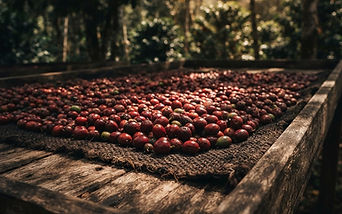
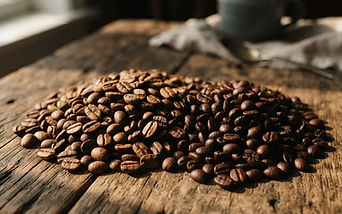
Decaffeination is the process of removing caffeine from coffee beans while they are still in their raw, green state, before the roasting process begins. This timing is critical because the chemical structure of the bean changes significantly once heat is applied during roasting, making it impossible to effectively extract caffeine from a finished roast. Raw coffee beans are porous and contain moisture, which allows processors to introduce solvents or water to target the caffeine molecules specifically. By starting with green coffee, processors ensure that the delicate aromatic oils and sugars that develop during the Maillard reaction in the roaster remain untouched by the decaffeination solvents. At Northwood Roast, we carefully select green beans that undergo high-quality decaffeination, ensuring that the raw material is stable and ready for roasting to our specific profile. Whether the process happens at the origin country or at a specialized facility in Europe or North America, the goal is always to strip away the stimulant without damaging the cellular integrity of the coffee bean. Because the caffeine molecule is highly water-soluble, processors leverage its affinity for liquids to draw it out while leaving the complex flavor compounds like proteins and carbohydrates behind. This meticulous preparation allows us to offer Shop Northwood Roast coffee that provides the same sensory experience as our caffeinated varieties.
The Solvent-Based Extraction Method
One of the most common ways to answer how is decaf made involves the use of chemical solvents like methylene chloride or ethyl acetate. This method, often referred to as the indirect-solvent or direct-solvent process, relies on the chemical's ability to selectively bind to caffeine. In the direct process, the green beans are first steamed to open their pores and then rinsed repeatedly with the solvent for several hours. The solvent bonds with the caffeine, and the mixture is then drained away. The beans are steamed again to remove any trace of the chemical before drying. Ethyl acetate is frequently called the natural process because it can be derived from fruits like sugarcane; it is a naturally occurring ester. While the term chemical might sound concerning to some, the boiling point of these solvents is significantly lower than the temperatures used during the roasting process, which typically exceeds 400 degrees Fahrenheit. Consequently, any residual solvent is completely evaporated during the roast, leaving a clean and safe product. This method is highly efficient, often resulting in minimal flavor loss, and it remains a standard practice in the industry due to its precision in controlling the final caffeine levels in the green coffee.
The Swiss Water Process
For those who prefer a chemical-free approach, the Swiss Water Process offers a purely physical alternative that relies on water, temperature, and time. This method starts by soaking a batch of green coffee in hot water to dissolve both the caffeine and the flavor compounds. This liquid is then passed through a charcoal filter specifically sized to trap the larger caffeine molecules while allowing the smaller flavor molecules, known as Green Coffee Extract (GCE), to pass through. The GCE is then used to soak a new batch of green beans. Because the GCE is already saturated with all the coffee solids except for caffeine, the caffeine naturally migrates out of the new beans into the GCE liquid, leaving the flavor components trapped inside the beans. This cycle repeats until the beans are 99.9% caffeine-free. The Swiss Water Process is highly regarded by specialty coffee roasters because it preserves the inherent qualities of the bean’s origin, whether it is a bright Kenyan or a chocolatey Brazilian. It is a slow, batch-intensive process that requires careful monitoring of water temperature and saturation levels, which often makes these coffees slightly more expensive than their solvent-processed counterparts.
CO2 Decaffeination Technology
Carbon Dioxide decaffeination is a high-tech approach often used for large-scale production. In this method, green coffee is soaked in water and then placed into a high-pressure vessel. Liquid carbon dioxide is then circulated through the beans at extremely high pressures—often exceeding 1,000 pounds per square inch—which makes the CO2 behave like a solvent. The supercritical CO2 selectively dissolves the caffeine while leaving the larger flavor-contributing molecules intact. Once the caffeine-laden CO2 leaves the chamber, the pressure is released, the CO2 returns to a gaseous state, and the caffeine is separated out. This allows the CO2 to be recycled and reused, making it an environmentally efficient choice for larger processors. Because the process occurs at relatively low temperatures, it is excellent at preserving the volatile aromatics of high-quality Arabica beans. While it requires significant capital investment in infrastructure, the resulting product is clean and consistent. When you look for Shop Northwood Roast coffee decaf options, you are receiving beans processed by systems that prioritize the retention of those essential flavor notes we love.
Understanding Caffeine Content and Flavor
Many drinkers wonder, does decaf have caffeine? The answer is yes, though it is present only in trace amounts. According to international standards, a coffee can be labeled as decaffeinated if at least 97% of its caffeine content has been removed. In reality, most commercial decaf processes remove 99% or more of the caffeine. A standard cup of caffeinated coffee might contain 95 to 150 milligrams of caffeine, whereas an 8-ounce cup of decaf usually contains between 2 and 5 milligrams. Regarding decaf coffee taste, the perception that it is inherently inferior is largely a relic of older, less precise methods. Modern decaffeination, particularly the Swiss Water Process, retains the majority of the original profile, including the acidity, body, and sweetness. However, because the process involves extra handling, the physical structure of the bean may become slightly more porous. This means decaf can be more sensitive to light and air, requiring tighter freshness protocols. It also tends to roast faster than caffeinated beans because of that increased porosity; a skilled roaster must adjust the heat application to avoid bitterness, ensuring the delicate flavors are highlighted rather than scorched.
Brewing Tips for a Better Cup
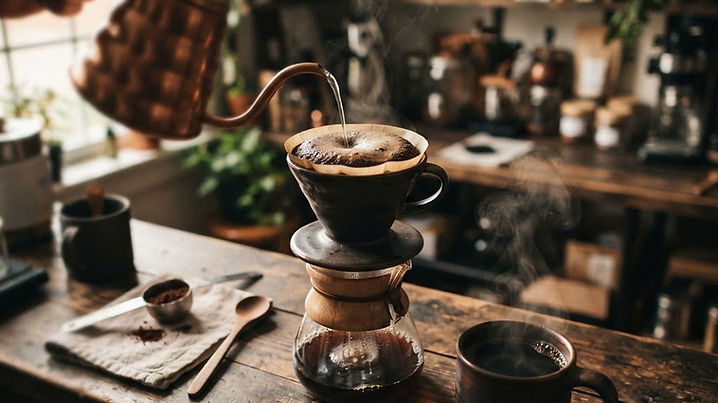
Because the cellular structure of decaffeinated coffee is slightly altered during the processing stage, it requires a specific approach during brewing to extract the best flavor. First, use a slightly coarser grind than you would for a standard caffeinated bean. Because the beans are more porous, they extract more rapidly, and a finer grind might lead to unwanted over-extraction and bitterness. Second, keep your water temperature stable, ideally between 195 and 205 degrees Fahrenheit. While decaf is often seen as a secondary choice, it deserves the same precision as your morning roast. If you are using a pour-over method, monitor your drawdown time closely; if it is running too fast or too slow, adjust your grind size accordingly to balance the extraction. Since decaf is sensitive to oxygen, try to grind only the amount you need right before you brew. If you find your decaf lacks body, try increasing your coffee-to-water ratio slightly, perhaps moving from 1:16 to 1:15, to achieve a richer mouthfeel. These small adjustments can bridge the gap between a standard cup and a truly exceptional experience, allowing the nuanced notes of the origin to shine through regardless of the caffeine content.
Frequently asked questions
Is decaffeinated coffee 100% free of caffeine?
No, decaffeinated coffee is not entirely free of caffeine, but it is effectively trace. Most methods remove at least 97% to 99.9% of the stimulant, leaving only a few milligrams per cup.
Can drinking decaf affect my health?
Research suggests that decaf coffee provides similar antioxidant benefits to caffeinated coffee, but individual health impacts can vary. If you have specific concerns regarding caffeine sensitivity or dietary restrictions, it is best to consult with a medical professional regarding your personal health situation.
Why does decaf sometimes taste different than regular coffee?
Decaf can taste different because the decaffeination process slightly changes the physical structure of the green bean, making it more porous. When roasted properly, the flavor difference is minimal, but older or poorly processed batches may exhibit less body or muted aromatic notes.