Coffee and health
Caffeine, Sleep and How Much Coffee Is Too Much
October 23, 2026 · 5 min read
Most healthy adults can safely consume up to 400 milligrams of caffeine daily, but timing is critical because the substance can remain active in your system for many hours. Drinking coffee too late in the day often disrupts sleep quality by blocking the receptors that signal to your brain that it is time to rest.
How Caffeine Functions in the Body
Caffeine is a central nervous system stimulant that primarily works by blocking adenosine receptors in the brain. Throughout the day, your body builds up adenosine, a chemical byproduct of cellular activity that promotes sleepiness. Under normal conditions, adenosine binds to specific receptors to slow down neural activity and prepare you for rest. Caffeine molecules are structurally similar to adenosine. When you consume coffee, caffeine enters the bloodstream and crosses the blood-brain barrier to attach itself to those same receptors. Because caffeine occupies the space without activating the receptor, it prevents your brain from receiving the signal that you are tired. This process does not create energy, but rather masks the perception of fatigue. Once the caffeine is metabolized and cleared from the system, the accumulated adenosine quickly rushes to fill the receptors, which is why many people experience a sudden "crash" after the effects wear off. At Northwood Roast, we focus on producing consistent, high-quality beans so you can accurately estimate your intake based on your preferred brewing method.
Caffeine Content Across Brewing Methods
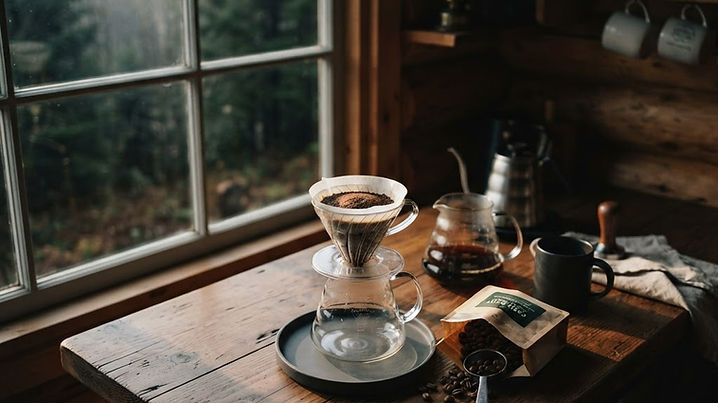
A standard 8-ounce cup of coffee contains between 80 and 150 milligrams of caffeine, but the final amount varies significantly based on preparation. Drip coffee makers generally produce the highest concentration because the extended contact time between hot water and grounds extracts more alkaloids. A typical 8-ounce pour-over or automatic drip brew averages roughly 120 milligrams. Conversely, espresso requires a finer grind and high pressure, extracting concentrated flavors in a smaller volume. A single 1-ounce shot of espresso contains about 60 to 75 milligrams of caffeine. If you enjoy lattes or cappuccinos, you are likely consuming double that amount if your drink uses a double shot. Cold brew concentrate is often even more potent, as the steeping process lasts 12 to 24 hours, leading to higher caffeine density per ounce compared to hot-brewed coffee. When you Shop Northwood Roast coffee, consider how your specific brewing gear affects the strength of your cup. Understanding these variables allows you to calculate your intake more precisely, especially if you find yourself hitting that 400-milligram threshold early in the day.
Understanding Caffeine Half-Life
The term caffeine half-life refers to the amount of time required for your body to eliminate 50% of the substance from your bloodstream. On average, the half-life of caffeine is between three and six hours for a healthy adult. This means that if you consume a 200-milligram cup of coffee at 4:00 PM, approximately 100 milligrams may still be active in your system at 9:00 PM or 10:00 PM. Several factors influence this rate, including liver function, genetics, and tobacco use, which can speed up metabolism, or oral contraceptives, which can double the time it takes to break down the compound. Because caffeine half-life is so variable, drinking coffee too late often creates a physiological challenge for those trying to fall asleep. Even if you feel "tired enough" to drift off, the remaining caffeine can suppress deep, restorative sleep stages. If your bedtime is 10:00 PM, ceasing consumption by early afternoon is a common strategy to ensure the stimulant has largely cleared your system, allowing for better sleep architecture throughout the night.
Tolerance and Individual Sensitivity
Regular coffee drinkers often notice that they need more caffeine to achieve the same alertness, a phenomenon known as tolerance. Over time, your brain adapts to the constant presence of caffeine by increasing the density of adenosine receptors. This means your brain becomes more efficient at signaling fatigue, requiring more caffeine to block the signals effectively. While tolerance is a common adaptation, it does not mean your body is immune to the substance. Caffeine sensitivity is also highly individual, determined by genetic variants in the CYP1A2 enzyme that metabolizes caffeine. Some people can drink a cup of espresso after dinner without issue, while others feel jittery and restless after just a few sips in the morning. If you frequently feel anxious, experience increased heart rate, or find your sleep quality declining, you may be exceeding your personal tolerance level, regardless of general population guidelines. Always listen to your own physiological responses rather than strictly adhering to generic daily limits.
Establishing Personal Limits
General scientific guidance suggests that 400 milligrams of caffeine per day—roughly four 8-ounce cups of brewed coffee—is safe for most healthy adults. However, this is an upper limit, not a recommended goal. Many individuals function optimally with significantly less, such as one or two morning cups. Because individual health profiles vary, it is vital to consult with a medical professional regarding your specific intake, especially if you have underlying heart conditions, anxiety disorders, or sleep apnea. A doctor can provide personalized guidance based on your medical history and current lifestyle. Factors like weight, age, and pregnancy also alter how the body processes stimulants. If you are experimenting with reducing your intake, do so gradually to avoid withdrawal symptoms like headaches or lethargy. Managing your relationship with coffee is about balance; it is a tool to be used intentionally to support your daily schedule, not a requirement to override your body's natural need for rest.
Frequently asked questions
Does decaf coffee contain any caffeine?
Yes, decaf coffee is not completely caffeine-free, as the removal process typically leaves behind about 2 to 5 milligrams per cup. It is an excellent option for those who enjoy the ritual and flavor of coffee but need to limit their stimulant intake in the evening.
Can caffeine intake improve athletic performance?
Research suggests that caffeine can enhance physical endurance and focus by reducing the perception of effort during exercise. However, the benefits vary significantly between individuals, and it is best to discuss usage with a trainer or physician.
Is it possible to build a permanent immunity to caffeine?
No, you cannot build a permanent immunity, but you can build a tolerance that makes you require higher doses to feel the same effects. If you find your current intake is no longer providing the desired alertness, it is often better to take a short break rather than increasing your dosage.