Coffee 101
Arabica vs Robusta: Understanding Your Coffee Species
October 22, 2026 · 7 min read
Understanding the primary coffee species
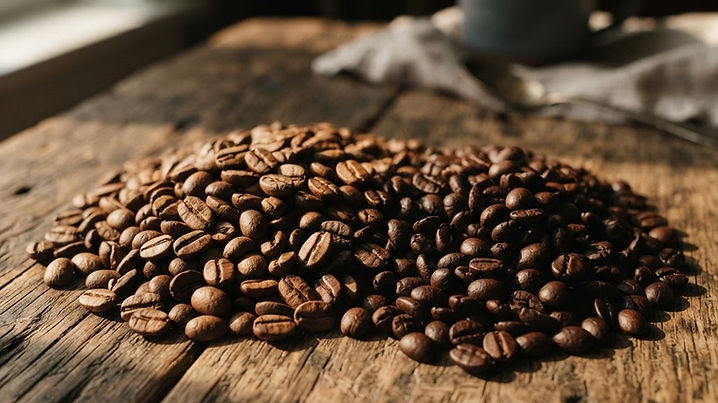
Arabica and Robusta are the two dominant coffee species, differing primarily in their genetic makeup, growing environments, and chemical compositions. While Arabica is celebrated for its complexity and refined acidity, Robusta is prized for its high caffeine content and resilient, hardy nature in challenging agricultural conditions.
The coffee species difference begins with the plant biology. Coffea arabica accounts for about 60 to 70 percent of global production, thriving at higher elevations between 600 and 2,000 meters above sea level. These plants prefer cooler temperatures, ideally between 15 and 24 degrees Celsius. Because they are delicate, they require more care and are susceptible to pests like the coffee berry borer. Conversely, Coffea canephora, known as Robusta, thrives in low altitudes from sea level to 800 meters. It tolerates warmer climates and is remarkably resistant to pests and disease, thanks in part to its high caffeine content, which acts as a natural chemical defense against insects. When choosing beans for your morning routine, understanding these origins helps you predict the cup profile. For those seeking the nuanced flavor of high-altitude beans, Shop Northwood Roast coffee offers a curated selection of specialty Arabica harvests.
The chemistry of the bean
At a molecular level, the differences in sugar and fat content significantly impact the flavor profile of the final brew. Arabica beans contain nearly double the concentration of natural sugars and lipids compared to Robusta. These sugars caramelize during the roasting process, contributing to the perceived sweetness, fruity notes, and balanced acidity that specialty roasters emphasize. The higher lipid content in Arabica also provides a smoother mouthfeel and more complex aroma compounds, which are often lost during the intensive high-heat roasting required for lower-grade beans.
Robusta, on the other hand, possesses significantly lower sugar levels and higher amounts of chlorogenic acid, which translates to a more bitter, astringent taste. The caffeine content is the most famous chemical distinction; Robusta contains roughly 2.2 to 2.7 percent caffeine, whereas Arabica usually sits between 1.2 and 1.5 percent. This higher caffeine density contributes directly to the heavy, thick body characteristic of the bean. During extraction, these chemical differences mean that Robusta requires careful temperature control to avoid overly harsh bitterness, while Arabica is often more forgiving for brewing methods like the Chemex or French press where subtle floral or citrus notes are preferred.
Flavor profiles and sensory experience
When comparing arabica vs robusta in a blind cupping, the sensory gap is immense. Arabica is synonymous with acidity, a trait that describes the brightness or liveliness of the coffee, rather than a sour pH level. Depending on the origin—whether Ethiopian, Colombian, or Indonesian—you might find notes of berries, stone fruit, jasmine, or chocolate. The texture is often described as silky or wine-like. These flavor markers are the primary reason specialty coffee culture is built almost exclusively on Arabica.
Robusta coffee taste is drastically different. It is frequently described as earthy, woody, or rubbery. While some connoisseurs appreciate a clean, well-processed Robusta for its deep, peanut-like or dark chocolate finish, it lacks the aromatic range of Arabica. Its primary strength is in the texture; Robusta produces an incredibly dense, persistent crema when used in espresso. This is why Italian-style espresso often utilizes a blend. A small percentage of high-quality Robusta can add weight and "punch" to a shot of Arabica, creating a balance between flavor complexity and physical richness. Understanding these profiles allows you to tailor your brew method to highlight the characteristics you enjoy most, whether that is the bright top notes of a light-roasted Arabica or the heavy foundation of an espresso blend robusta.
Economic factors and market use
The price difference between the two species is driven by labor and yield. Arabica is notoriously difficult to farm. The plants require manual harvesting because they often grow on steep slopes and have uneven ripening cycles, necessitating multiple passes per harvest season. This intensive labor, combined with the lower yield per hectare, keeps the price of high-quality Arabica higher than its counterpart.
Robusta is a more industrial crop. It is highly productive, grows in flat, accessible terrain, and is often harvested mechanically. This makes it an essential commodity for the instant coffee market and mass-produced commercial blends where consistency and price point are prioritized over flavor nuance. However, the specialty coffee movement has recently begun exploring "fine Robusta." By applying the same rigorous wet-processing methods usually reserved for Arabica, farmers are producing cleaner, sweeter Robusta lots that challenge the traditional perceptions of the species. As you explore your own preferences, you might find that your tastes evolve; whether you prefer a single-origin pour-over or a reliable daily espresso, knowing the origin of your bean helps you make better purchasing decisions. If you want to experiment with different origins and roasts, Shop Northwood Roast coffee to see how regional diversity impacts your cup.
The role in espresso blends
The debate regarding espresso blend robusta is perhaps the most active in the coffee world. In traditional Southern Italian espresso, a small portion of Robusta—typically 10 to 20 percent—is intentionally included. The goal is not just to reduce costs, but to enhance the physical properties of the shot. The oils in Robusta stabilize the crema, making it thicker and more persistent, which is essential for drinks that rely on steamed milk, like cappuccinos and lattes, where the espresso flavor must cut through the sweetness of the milk.
In contrast, modern "third-wave" espresso trends often lean toward 100 percent Arabica. These shots emphasize the terroir of the bean, showcasing distinct citrus, fruit, and floral profiles that would be masked by the bitterness of Robusta. When choosing between these styles, consider what you prioritize in your morning beverage. If you enjoy the heavy, syrupy body of a classic dark-roast shot, a blend with a touch of Robusta may provide that classic cafe mouthfeel. If you are chasing a nuanced, fruity cup, stick to high-grade single-origin Arabica. Regardless of the species, always aim for freshly roasted beans within four weeks of the roast date to ensure the most vibrant experience.
Health and caffeine considerations
Coffee consumption is a subject of extensive scientific study, with research often focusing on the high concentrations of antioxidants like chlorogenic acid and polyphenols found in both species. Because Robusta has nearly double the caffeine content, it will naturally have a more potent stimulant effect per gram compared to Arabica. While moderate caffeine consumption is generally considered safe for most healthy adults, individual sensitivities vary greatly. Some research indicates that caffeine may assist with focus and physical performance, but it can also affect sleep cycles and heart rate depending on the individual's metabolism.
It is important to remember that these findings are general and individual reactions to coffee vary based on genetics and overall health. If you are concerned about your caffeine intake, it is best to consult with a medical professional to discuss your personal situation. Coffee is a complex agricultural product, and its effect on the body is influenced not just by the species, but also by brewing strength, portion size, and the time of day you consume it. Regardless of which species you choose, enjoying coffee mindfully is key to a positive daily ritual.
Frequently asked questions
Why is most specialty coffee made from Arabica?
Specialty coffee focuses on complex flavor profiles like fruit, floral, and spice notes which are rarely found in Robusta. Arabica's higher sugar and lipid content allows for these nuanced flavors to develop during the roasting process, whereas Robusta's chemistry typically results in a more bitter, earthy profile.
Is Robusta lower quality than Arabica?
Not necessarily, though it is often used in mass-market products. There is a growing category of 'fine Robusta' that is grown and processed with the same care as specialty Arabica, resulting in a cleaner and much more pleasant cup than traditional commercial-grade varieties.
Does Robusta always contain more caffeine than Arabica?
Yes, by weight, Robusta beans generally contain significantly more caffeine than Arabica beans. This high caffeine content is one of the plant's evolutionary survival mechanisms, helping to protect it from pests in lower-altitude, high-stress environments.