Brewing
How to Store Coffee Beans for Maximum Freshness
October 22, 2026 · 7 min read
The Four Enemies of Coffee Freshness
To understand how to store coffee, you must first recognize the four primary environmental factors that degrade flavor: oxygen, light, heat, and moisture. Oxygen is the most significant threat because it causes oxidation, a chemical process that turns the volatile aromatic oils responsible for flavor into stale, rancid compounds. Once roasted, coffee beans contain thousands of compounds that interact with ambient air, causing a rapid decline in quality within weeks. Light, particularly direct sunlight, speeds up these chemical reactions through photodegradation, which breaks down the cell structure of the bean. Heat acts as a catalyst, accelerating the rate at which all these reactions occur; a warm pantry or a spot near an oven can cut the lifespan of a bean in half. Finally, moisture is the enemy of shelf-life because it introduces humidity, which causes premature extraction of oils or, in worse cases, promotes mold growth. At Northwood Roast, we ensure our beans are sealed in high-barrier bags immediately after cooling to lock in the profile. When you open that bag at home, you become the steward of that freshness. Your goal is to keep the coffee in an environment that mimics the stable, cool, and dry conditions of a professional roastery. If you fail to mitigate these factors, even the highest-quality Shop Northwood Roast coffee will lose its brightness and complexity within days.
Why Your Refrigerator Is Off Limits
A common mistake among home brewers is storing coffee in the refrigerator. While it seems logical to keep perishable goods in a cold environment, the fridge is actually one of the worst places for coffee beans. First, coffee is hygroscopic, meaning it acts like a sponge and absorbs the surrounding aromas and moisture. In a refrigerator, coffee will quickly take on the scent of leftovers, onions, or other strong-smelling foods, effectively ruining the flavor profile of the origin. Second, the fluctuations in temperature that occur whenever you open the fridge door lead to condensation. When cold beans meet warm air, water droplets form on the surface of the coffee, which immediately triggers the degradation process. This moisture ruins the porous structure of the bean and washes away essential oils. If you have been keeping your beans in the vegetable drawer, you have likely noticed a flat, dull, or "musty" quality to your morning cup. Coffee requires a stable environment rather than just a cold one. The internal climate of a refrigerator is far too volatile and fragrant for delicate roasted beans. Always choose a dark, cool cupboard away from the stove or dishwasher to ensure your beans stay pure and aromatic for their intended lifespan.
The Truth About Freezing Coffee Beans
Freezing coffee beans can be an effective way to preserve freshness, but only if executed with precision. Many enthusiasts debate the merits of freezing coffee beans, yet the consensus is that it is a viable long-term storage solution for unopened bags. If you have purchased a bulk order or received a gift and cannot finish it within three weeks, the freezer stops the degradation clock. However, the golden rule is that you must never put the same beans back into the freezer once you have taken them out. Constant temperature cycling creates frost inside the container, leading to moisture damage. If you intend to freeze your coffee, divide your supply into small, single-use portions—ideally in vacuum-sealed bags—so you only thaw what you need for the week. Once a portion is removed, it should remain at room temperature for the duration of its use. Because the freezer is inherently moist, the airtight seal is the most critical element of this process. If you do not have a vacuum sealer, use high-quality freezer-safe bags and squeeze out every bit of air possible. When done correctly, frozen coffee can maintain its peak quality for several months, allowing you to enjoy seasonal roasts long after they are no longer available on the shelf.
Whole Bean Versus Pre-Ground Coffee
If you want the highest possible quality in your cup, you must prioritize whole bean coffee over pre-ground. The moment coffee is ground, the surface area exposed to oxygen increases exponentially. A whole bean has a relatively small surface area, which helps protect the internal structure and volatile oils from oxidation. Once you run those beans through a grinder, the rate of degassing and oxidation accelerates to such a degree that much of the aromatic character is lost within 15 to 30 minutes. Pre-ground coffee loses its floral, fruit, or nutty notes very quickly, often resulting in a flat or "cardboard" taste. This is why we recommend that you only grind the exact amount you need for your specific brew. If you find yourself in a position where you must pre-grind for convenience, you must be even more diligent about storage. Use a small, opaque, airtight container that minimizes the volume of air left inside. However, even with the best storage practices, ground coffee will never match the freshness of beans ground immediately before the water hits the grounds. Investing in a consistent burr grinder is perhaps the most impactful step you can take to improve your daily brewing experience.
How Long Coffee Stays Good
Freshness is a spectrum rather than a binary state. Most roasters agree that coffee is at its absolute peak flavor between 5 and 14 days after the roast date. During the first few days, coffee undergoes a process called degassing, where carbon dioxide produced during roasting is slowly released. Brewing too early can lead to excessive bubbling and an astringent taste, though this varies by bean density. After the two-week mark, coffee does not necessarily go "bad" in a health-threatening sense, but it begins to lose its vibrant characteristics. By the four-week mark, you will notice a significant drop in crema production for espresso and a lack of nuance in pour-over methods. If your coffee is stored properly in a high-quality Shop Northwood Roast coffee bag, it can remain "good" for up to six weeks. Beyond that, the bean loses its internal integrity, and you will likely find the coffee tastes bitter or thin regardless of your brewing technique. Always check the roast date on the label. If you are shopping at a supermarket, avoid any bags without a roast date or those that have been sitting on the shelf for more than two months, as they have already exhausted their potential for a great cup.
Your Daily Counter Routine
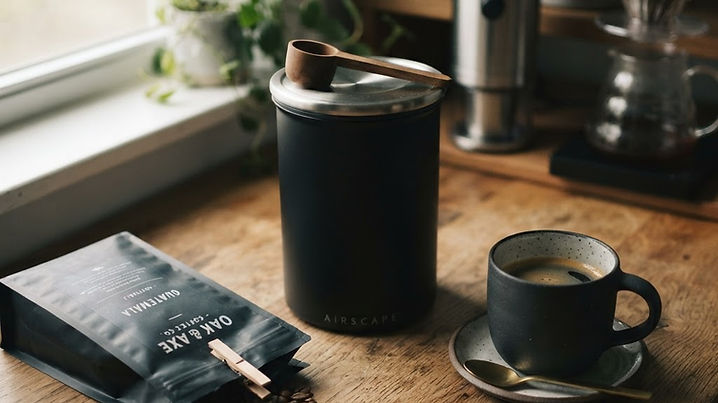
Maintaining a simple routine is the most effective way to keep your coffee fresh. First, choose a dedicated coffee storage container that is opaque and airtight. Avoid clear glass or plastic canisters that let light penetrate the beans. Look for a container with a one-way valve or a high-quality seal that creates a vacuum or prevents air exchange. Your daily ritual should look like this: store the bag inside your container in a dark cabinet, far from the kitchen heat sources like the coffee maker's steam or the oven's exhaust. When you are ready to brew, take out only the amount of beans you need for that specific session. Open the container for the shortest time possible to prevent ambient air from rushing in. If you are using a bag, press out the excess air before sealing the zipper or rolling the top down tightly. Keep your scoop dry and clean; moisture on a scoop can introduce bacteria or mold spores into your coffee supply. By keeping your supply consolidated in one place and limiting the frequency with which you open your primary storage, you minimize the introduction of oxygen. This simple discipline ensures that every cup from the bag is as close to the initial roast quality as possible.
Frequently asked questions
Does coffee ever actually expire or become unsafe to drink?
Coffee is a dry, shelf-stable product, so it rarely becomes "unsafe" in terms of health risks like spoilage, provided it stays dry. However, it will eventually lose all its flavor and may taste rancid if the oils oxidize significantly. If you see signs of mold or notice an off-putting odor, discard the beans immediately.
What is the purpose of the little valve on my coffee bag?
That valve is a one-way degassing vent that allows carbon dioxide to escape without letting oxygen in. Freshly roasted coffee releases gases for days, and without this vent, a sealed bag would balloon or even burst. It is a sign that your roaster prioritized freshness by packing the beans soon after cooling.
Can I store my coffee in a clear glass jar on my counter for decoration?
While a clear jar looks nice, it is detrimental to your coffee because it exposes the beans to constant light. UV rays break down the aromatic compounds in the coffee, causing them to go stale much faster. If you must use glass, keep it inside a dark cabinet rather than out on the counter.