Brewing
Brew Methods Compared: The 5 Essential Home Coffee Styles
October 22, 2026 · 4 min read
Understanding the Fundamentals
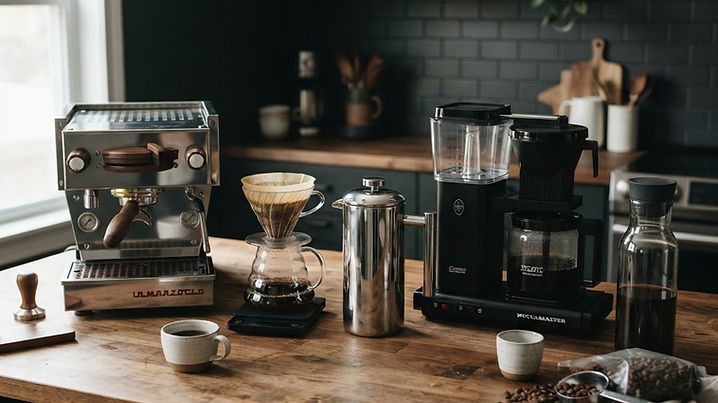
The best home coffee method is the one that produces the flavor profile you enjoy while fitting into your available time and budget. Choosing between these five primary techniques involves balancing variables like grind size, water temperature, and brew time to extract the specific compounds from your Shop Northwood Roast coffee that highlight its origin characteristics.
Espresso: Precision and Concentration
Espresso requires a very fine, powder-like grind to provide enough resistance for high-pressure water extraction. The standard ratio is 1:2, meaning 18 grams of dry coffee yields 36 grams of liquid. You should use water between 195°F and 205°F. The total contact time is short, usually between 25 and 30 seconds. Because it is highly concentrated, espresso offers a heavy, syrupy body with intense flavor clarity. Equipment costs are high, often starting at several hundred dollars for a decent pump machine. Effort is high due to the necessity of dialing in the grind, and cleanup requires backflushing the group head. This method is best for those who love lattes, cappuccinos, or a quick, powerful shot.
Automatic Drip: The Daily Workhorse
Automatic drip coffee uses a medium-coarse grind, similar to sea salt. The recommended coffee-to-water ratio is 1:16, or roughly 60 grams of coffee per liter of water. Water temperatures fluctuate, but a machine that hits 195°F to 205°F consistently is ideal. Brewing takes about 5 to 8 minutes depending on the volume. The resulting cup has medium body and moderate clarity. Equipment cost ranges from $50 for a basic model to $300 for SCA-certified machines. Effort is low, as the machine handles the labor, and cleanup is limited to tossing the paper filter. This is the best method for households that need to brew large batches quickly every morning.
Pour Over: The Clarity Specialist
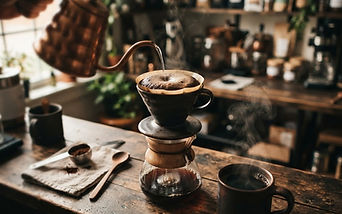
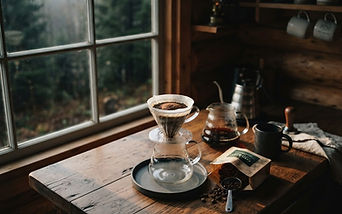
When considering pour over vs french press, the primary difference is the paper filter, which removes oils and fine sediment. A medium-fine grind is standard, and the 1:16 ratio remains the golden rule for most light and medium roasts. Use water around 200°F. The process takes 3 to 4 minutes of active pouring. The result is a clean, tea-like cup that highlights delicate acidity and floral notes. Equipment costs are low, starting at $20 for a dripper. Cleanup is easy—simply compost the paper filter. This method suits the home brewer who wants to explore the unique flavor profiles of single-origin beans.
French Press: Rich and Full-Bodied
French press uses a coarse grind, similar to kosher salt, to allow for an immersion brew. A 1:15 ratio is common, utilizing 20 grams of coffee per 300 grams of water. Heat your water to 205°F. The total contact time is roughly 4 minutes of steeping before the press is plunged. Because it lacks a paper filter, the cup has a heavy, textured body and high oil content. The cost is low, and the effort is minimal, though cleaning the mesh filter requires a thorough rinse. This method is best for those who prefer a bold, hearty cup of coffee without the need for additional paper consumables.
Cold Brew: Low Acidity and Smoothness
Cold brew is unique because it uses time rather than temperature for extraction. Use a very coarse grind and a concentrate-heavy ratio of 1:4 to 1:8. Place the grounds in room-temperature water for 12 to 24 hours. The resulting brew is extremely smooth with significantly lower perceived acidity. The equipment is simple—any glass jar will suffice—making it very cost-effective. Cleanup involves straining the grounds from the liquid. This method is perfect for people who find hot-brewed coffee too acidic or who want a refreshing, shelf-stable concentrate ready in the fridge.
Frequently asked questions
What is the most important factor in coffee brewing?
Consistency in your grind size and your coffee-to-water ratio remains the most important factor in a repeatable cup. If your coffee tastes too bitter, it is likely over-extracted, meaning you should use a slightly coarser grind next time. If it tastes sour or thin, it is under-extracted and requires a finer grind or a slightly longer brew time.
Does coffee brewing method affect health outcomes?
Research indicates that coffee contains beneficial compounds like antioxidants and polyphenols, regardless of the brew method. However, unfiltered methods like French Press retain cafestol, a lipid compound that may affect cholesterol levels in sensitive individuals. Always consult your doctor for personalized medical advice regarding your diet and health.
Which method is best for beginners?
Automatic drip and French Press are generally the most accessible for beginners because they are forgiving and require minimal technique. While pour-over offers more control, it requires a steeper learning curve to master the pouring pattern and timing. Start with a method that aligns with your desired daily ritual to ensure you enjoy the process as much as the result.